


For a long time, I believed I had to fight every single day. I wasn’t just fighting cancer; I was fighting fear, uncertainty, my body, every ache, every symptom, and every test and scan. If you’re living with cancer, you’ve probably heard the same message countless times.
“Keep fighting.”
“Stay strong.”
“You’re a warrior.”
Those words come from a place of love. They can inspire us through treatment and remind us that we have incredible strength, but over time, I realized something unexpected:
I wasn’t just fighting cancer anymore.
I was fighting myself.
And that battle was exhausting.
When Survival Mode Never Ends
A cancer diagnosis changes more than your body. It changes your nervous system. From the moment you hear the words “You have cancer,” your brain shifts into survival mode. Every appointment, blood test, scan, phone call, and new symptom feels important because it is. Your nervous system is doing exactly what it was designed to do: protect you.
This is called fight-or-flight. It’s your body’s natural response to danger.
During treatment, that response can be incredibly helpful. It keeps you alert and focused on what matters most. The challenge comes when your nervous system doesn’t realize the immediate crisis has changed. Many people continue living as though danger is around every corner. Every headache feels suspicious. Every ache raises questions. Every follow-up appointment brings a surge of anxiety.
Even years after treatment, many cancer survivors find themselves living in a constant state of vigilance. Not because they’re weak but because their nervous system has learned to stay on high alert.
The Hidden Cost of Fighting Yourself
I eventually realized that much of my exhaustion wasn’t coming from cancer itself; it was coming from resisting my reality. I wanted my old body back. I wanted certainty. I wanted life to feel normal again. Those are completely understandable desires. But every day I spent arguing with what had already happened was another day my energy was being poured into a battle I couldn’t win. The truth is the more I fought reality, the less energy I had to actually live.
The Cancer Thriver Pathway
One of the biggest mindset shifts in my own healing came from following a simple pathway that helped me move from surviving to truly living.
Step 1: Notice the Battle
Pause and ask yourself: What am I fighting today? Is it your body, fear of recurrence, uncertainty, guilt, or even your own thoughts?
Awareness is the first step toward change.
Step 2: Calm Your Nervous System
Your nervous system isn’t broken. It’s protecting you. And, the goal isn’t to eliminate fear. The goal is to help your body experience moments of safety again. Simple practices like slowing your breathing, spending time in nature, journaling, or sitting quietly with a cup of tea can gently remind your nervous system that not every moment requires survival mode. Little by little, your body learns that it doesn’t have to stay on constant alert.
Step 3: Change Your Language
The words we use matter. Not because they magically change our circumstances, but because they shape how we experience them.
Instead of saying: “I’m fighting my body.”
Try: “I’m learning to trust my body again.”
Instead of: “I’m battling cancer every day.”
Try: “I’m learning how to live well today.”
Instead of: “I have to stay strong.”
Try: “I can be honest today.”
These small shifts create space for compassion instead of pressure.
Step 4: Choose Peace
Choosing peace isn’t giving up. It isn’t ignoring reality and it isn’t pretending cancer never happened. Peace means stopping the unnecessary battle with yourself. You can still advocate for yourself, still ask questions, still receive treatment and still hope. You just don’t have to wake up every morning preparing for war.
A Different Definition of Strength
For years, I believed strength meant pushing through no matter what.
Today, I see strength differently.
Strength is asking for help.
Strength is resting when your body needs rest.
Strength is telling someone you’re scared.
Strength is allowing yourself to laugh.
Strength is learning to trust yourself again.
Sometimes the bravest thing you can do isn’t fighting harder.
Sometimes it’s putting down the battle you were never meant to carry.
Your Next Right Step
Take one quiet minute today. Place your hand over your heart. Take a slow breath.
Then ask yourself: What am I fighting today?
Now ask a second question: Which one of those battles can I gently put down today?
Not forever. Just today.
Healing doesn’t happen all at once. It happens one small choice at a time.
Ready for the Next Step?
If making decisions feels overwhelming, download my free Next Right Step Guide. It’s designed to help you reconnect with yourself and take one meaningful step forward instead of feeling stuck.
And if you’re looking for ongoing guidance and a community of people who truly understand life with cancer, I’d love to welcome you inside the Cancer Thriver Collective. Together we’re learning that thriving isn’t about waiting for perfect circumstances, it’s about learning to live well, one step at a time.
If you would like to know more about the concept of living with cancer, I have written a book all about my personal experience of reclaiming my life after my stage 4 cancer diagnosis. In my book I offer anecdotes and strategies that will encourage you to learn how to thrive with cancer. You can get a copy of Living to Thrive: a holistic guide to living with cancer here.
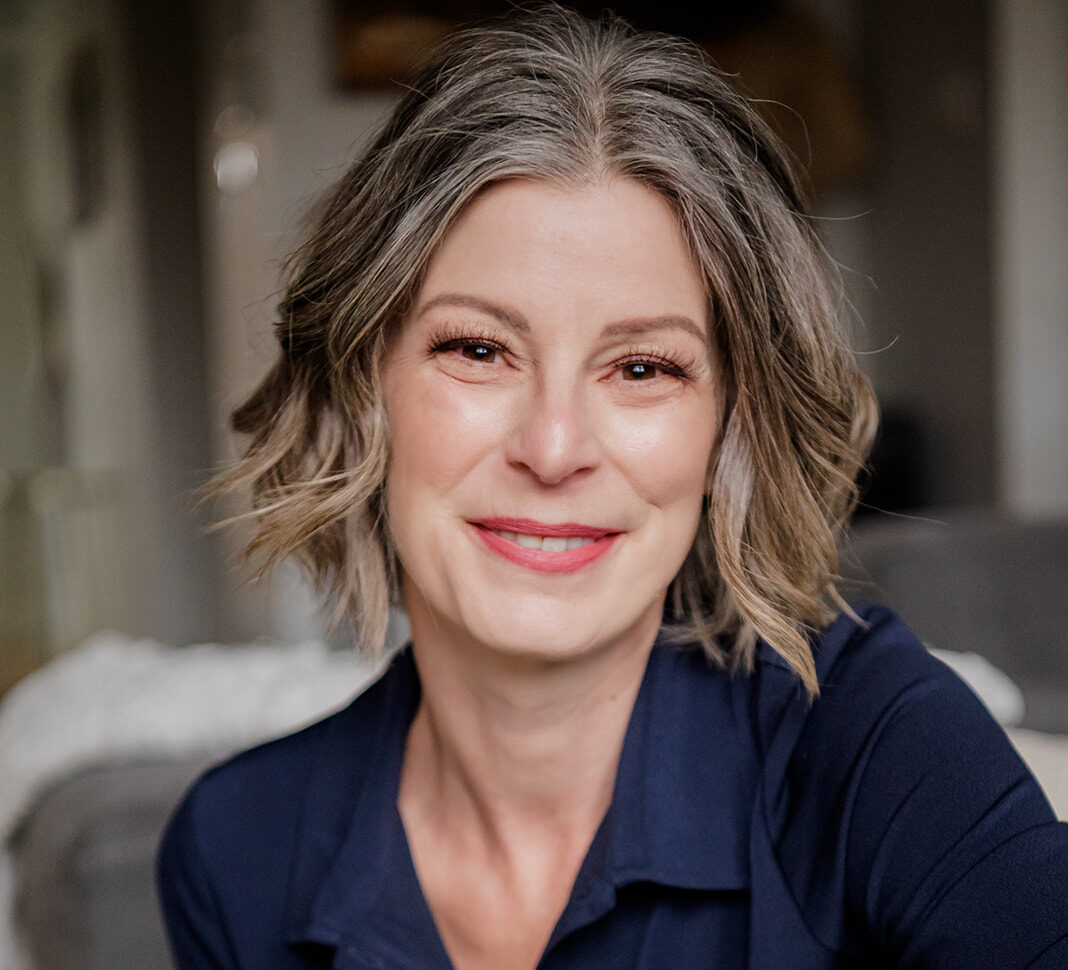
Kathryn White is a Cancer Coach, author, and speaker who uses her own story of living with cancer to help people rebuild trust in themselves and create a meaningful life after cancer changes everything.